Most Kenya trips split cleanly into two camps. Trekkers fly straight to the mountains, and safari travelers never leave the plains. Mount Kenya sits close enough to Nairobi and to Laikipia’s wildlife conservancies that you do not have to choose. A trek to Point Lenana, the mountain’s trekking summit at 4,985 meters, pairs naturally with game drives in Ol Pejeta or Lewa. Both conservancies sit a short drive from the same base town. This guide lays out realistic timing and the route choice that matters most. It also covers how to sequence a climb with a safari so neither part feels rushed.
Why Combine a Mount Kenya Climb With a Safari
Nanyuki, the main gateway town for Mount Kenya, sits on the equator at roughly 1,950 meters elevation. It is also the unofficial capital of Laikipia’s conservancy belt. Ol Pejeta Conservancy and Lewa Wildlife Conservancy both sit within a couple of hours’ drive. That geography means climbers do not need a separate flight or a long transfer to add wildlife viewing. A trekker can descend the mountain, shower at a Nanyuki lodge, and be on a game drive the next morning. Few of Kenya’s other trekking regions offer that kind of overlap between mountain and savanna.
Where Mount Kenya Sits and How to Get There
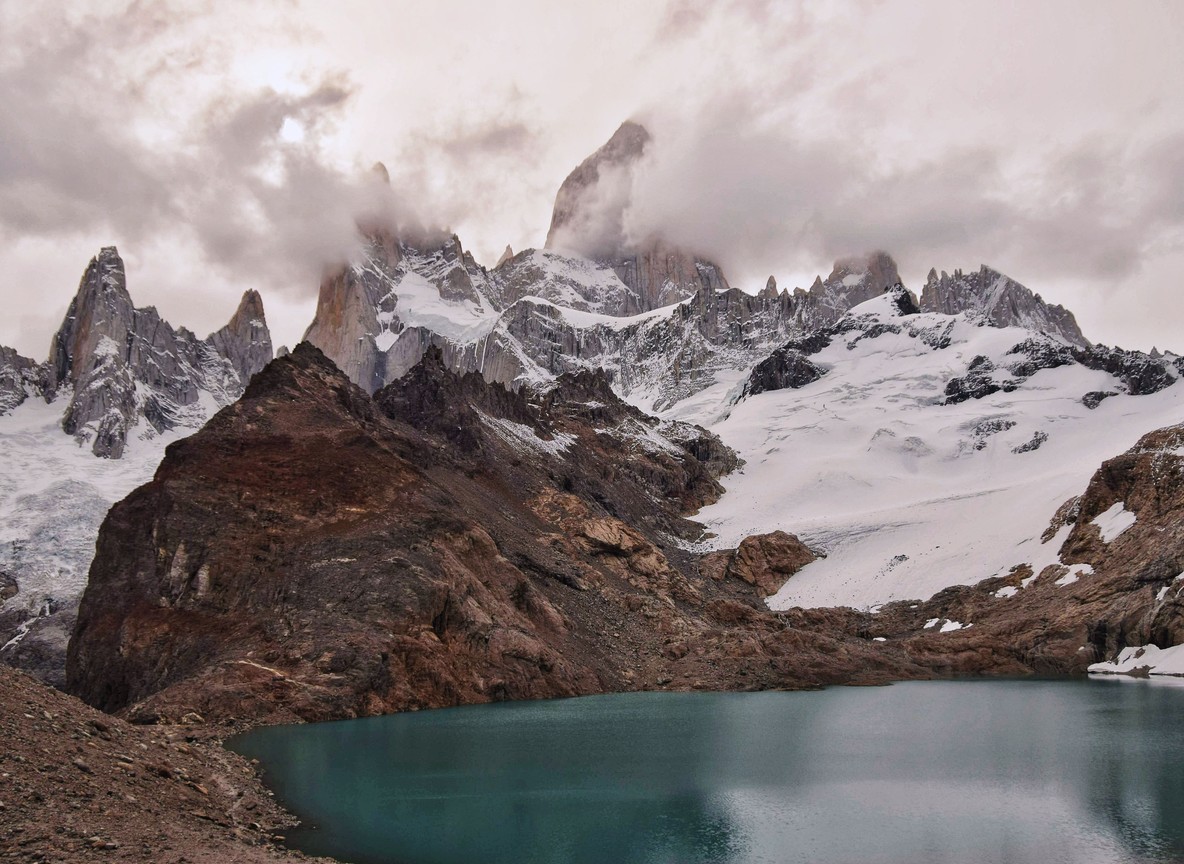
Mount Kenya rises about 200 km north of Nairobi, a drive of 3 to 3.5 hours along the Thika-Nyeri highway. Nanyuki town serves as the main staging point. A small airstrip there offers scheduled flights to Nairobi’s Wilson Airport in around 45 minutes. Mount Kenya National Park and Reserve covers approximately 715 km2 of moorland, glaciers, and montane forest. It has held UNESCO World Heritage status since 1997. Batian, the true summit, reaches 5,199 meters and requires technical rock climbing. Point Lenana, the third peak at 4,985 meters, is the goal for almost every trekking client. It is reachable on foot without ropes or crampons.
Choosing Your Route: Sirimon, Chogoria, and Naro Moru
Three main routes lead up Mount Kenya, and the choice shapes both difficulty and scenery. The Sirimon Route starts about 15 km from Nanyuki and climbs gradually through cedar and bamboo forest, giving the body more time to adjust to altitude. Chogoria Route trekkers enter from the east near Chogoria town in Meru County, roughly a 3-hour drive around the mountain from Nanyuki. This route is widely rated the most scenic, passing the Gorges Valley and Lake Michaelson. The Naro Moru Route, near Naro Moru town, is the shortest and steepest option. Its nickname, the Vertical Bog, comes from a notoriously muddy middle section, and its speed makes altitude sickness more likely.
Most operators recommend ascending via Sirimon and descending via Chogoria, or the reverse. That traverse spreads the elevation gain over more days. It also lets trekkers see two very different sides of the mountain instead of retracing the same path down.
How Many Days You Actually Need
A Point Lenana climb needs a minimum of 4 days, and 5 is safer for acclimatization. Rushing the mountain in 3 days on the Naro Moru route is possible but raises the odds of turning back before the summit. Huts along the way include Old Moses Camp at 3,300 meters and Shipton’s Camp at 4,200 meters on the Sirimon side. Naro Moru offers Mackinder’s Camp at 4,200 meters, and the Chogoria approach has Minto’s Hut. Most itineraries push for the summit before dawn from a high camp near 4,200 meters, reaching Point Lenana in time to watch sunrise over the plains below.
Mount Kenya Climb and Combo Itinerary at a Glance
| Detail | Figure |
|---|---|
| Batian summit (technical) | 5,199 m |
| Point Lenana (trekking summit) | 4,985 m |
| Mount Kenya National Park & Reserve size | approx. 715 km2, UNESCO World Heritage Site since 1997 |
| Nairobi to Nanyuki | approx. 200 km, 3-3.5 hr drive |
| Sirimon Gate from Nanyuki | approx. 15 km, 25-30 min drive |
| Recommended Point Lenana trek length | 4-5 days |
| Ol Pejeta Conservancy gate from Nanyuki | approx. 20 km, 30-40 min drive |
| Lewa Wildlife Conservancy from Nanyuki | approx. 85 km, 1.5-2 hr drive |
| Nanyuki to Masai Mara | approx. 1 hr by air; 400+ km / 7-8 hr by road |
| Guided Point Lenana package (indicative) | USD 700-1,200 per person, huts and park fees included |
Guided package pricing varies by group size, hut versus camping, and route. Confirm current KWS park fees and package rates directly with a registered operator or on KWS eCitizen before booking.
Building the Safari Half of the Trip
Two safari directions work well from Nanyuki. The first stays local: Ol Pejeta Conservancy, about 20 km away, holds the last two northern white rhinos on the planet alongside black rhino, lion, and a chimpanzee sanctuary. Lewa Wildlife Conservancy sits roughly 85 km and under 2 hours from Nanyuki, adding Grevy’s zebra and strong rhino numbers in a lower-density setting. Both work as a 2 to 3 night add-on immediately after the descent, with no long transfer required.
The second direction reaches the Masai Mara. Driving is impractical, at over 400 km and 7 to 8 hours through Nairobi. Flying solves that, with scheduled connections routing through Nairobi’s Wilson Airport in roughly an hour of total air time. That option suits travelers who want the classic Mara migration scenery alongside their mountain trek. It costs an extra flight leg and a bigger budget.
A Sample 10-12 Day Combo Itinerary
Day 1 covers arrival in Nairobi and transfer to Nanyuki. Days 2 through 6 handle the climb itself: a 5-day Sirimon-Chogoria traverse with a summit push on day 4 or 5. Day 7 is a rest and recovery day in Nanyuki, useful after the physical toll of the descent. Days 8 through 10 shift to Ol Pejeta or Lewa for game drives, rhino tracking, and a slower pace after the mountain. Travelers with extra time can add days 11 and 12 as a short fly-in extension to the Masai Mara before flying home from Nairobi. This structure keeps the hardest physical days early. Travelers are then not attempting a demanding trek on tired legs after days of early safari wake-up calls.
Altitude, Fitness, and Timing Considerations
Point Lenana sits below 5,000 meters, but altitude sickness risk is real given how fast most itineraries gain height. A 4 to 5 day schedule with a Sirimon ascent gives the body more time than a 3-day Naro Moru dash. General fitness matters more than technical climbing skill, since no ropes or crampons are needed for Lenana. The two driest windows, January to February and July to September, align well with Kenya’s classic dry safari season. That overlap makes it easy to book the mountain and the game drives back to back without fighting rain on either leg. Trekking in the wetter months is possible but adds slippery trails and reduced summit visibility.
Explorer Notes
Break in hiking boots for at least a month before travel; blisters end more Mount Kenya attempts than altitude does. Pack a proper down jacket and insulated gloves for summit night. Temperatures at 4,700 meters commonly drop below freezing even in the dry season, a shock after warm days on safari. Carry cash in small denominations for porter and guide tips, since huts and gates rarely have card facilities. If timing allows, sleep one extra night in Nanyuki before the climb rather than driving straight from Nairobi. Starting the trek already tired from a long travel day makes the first altitude gain harder than it needs to be.
What to Read Next
- Weighing which side of the mountain to climb? See our Mount Kenya climbing guide for a deeper route-by-route breakdown.
- Curious how Mount Kenya stacks up against Kenya’s other highland park? Read our Aberdare versus Mount Kenya guide.
- Building the safari half of your trip? Look at what Ol Pejeta Conservancy’s rhino sanctuary actually involves.
FAQ
How many days does it take to climb Mount Kenya to Point Lenana? Most guided itineraries run 4 to 5 days. A 5-day Sirimon-Chogoria traverse gives the best acclimatization, while a 3-day Naro Moru attempt is faster but carries a higher risk of altitude sickness.
Do I need technical climbing experience for Mount Kenya? Not for Point Lenana at 4,985 meters, which is a trekking peak reachable on foot. Batian, the true summit at 5,199 meters, requires rock climbing gear and experience.
Can I combine a Mount Kenya climb with a Masai Mara safari? Yes. Driving is impractical at over 400 km and 7 to 8 hours, but flights connect Nanyuki to the Mara in roughly an hour via Nairobi’s Wilson Airport. That makes a fly-in extension realistic.
What is the best time of year to climb Mount Kenya? January to February and July to September are the driest windows. Both overlap with Kenya’s classic dry safari season, so travelers can plan the climb and the game drives together.
How close is Ol Pejeta Conservancy to Mount Kenya? Ol Pejeta’s gate sits about 20 km, or a 30 to 40 minute drive, from Nanyuki. That makes it the easiest safari add-on right after descending the mountain.
Planning both halves of this trip takes more coordination than a standard game-drive safari, since permits, huts, and conservancy bookings all move on different calendars. Check the Tour Packages page for itineraries that already pair a Mount Kenya trek with Laikipia or Masai Mara game drives. A partner operator can also help sequence the climb and the safari around your travel dates.
Further reading
- Magical Kenya (Kenya Tourism Board)
- Kenya Wildlife Service
- Maasai Mara Wildlife Conservancies Association